|
Subscribe
Read in Browser
|

|
|
Stat Of The Day
|
|
$43,400
|
That’s the jaw-dropping value of the most expensive item found in a lost suitcase in 2025 – a pair of diamond earrings. The discovery comes courtesy of Unclaimed Baggage, a company that scoops up luggage airlines can’t reunite with owners, then resells, donates, or recycles what’s inside.
Every year, they spill the suitcase tea about the most valuable, fascinating and wacky discoveries in their "Found Report." This year’s lineup included everything from Chanel jeans to a beekeeping suit. Ready to shop the stuff travelers left behind? Head here.
|
|
|
|
|
Rates Are Holding…But Not Forever
|
ICYMI (but let’s be honest, this one was hard to overlook), the Fed hit pause on interest rates last week.
What does it mean for you and your money? Savers are still sitting in a pretty sweet spot. If you’ve been thinking about opening a high-yield savings account (HYSA) or locking in a CD, this is your window. While rates are holding for now, it looks like there may be a 25-basis-point cut in the offing.
In other words, today’s rates may not stick around forever…and procrastination doesn’t pay interest. If you’re ready to make your move, here are some options we like:
💰 HYSAs
💰 CDs
|
|
|
|
|
Why Healthcare Might Be The Biggest Threat To Your Retirement Plan
|

|
When retirement plans fall apart, we often blame overspending – on travel, hobbies, or helping the kids a little too much. But the bigger culprit? Health. Rising premiums, surprise diagnoses and other health shocks can derail even the most carefully crafted retirement plan.
Dr. Carolyn McClanahan knows this firsthand. She started her career as a physician, caring for patients and seeing how quickly health – and the lack of planning around it – could change someone’s financial future.
On a special episode of the HerMoney Podcast, sponsored by LIMRA, she explains how unexpected health costs impact women and what we can do now to protect our financial security later.
One crucial step, Dr. McClanahan says, is thinking ahead about what kind of care you want and where you want it – especially long-term care. She says women should start planning in their 50s and 60s.
"Once you need home health care more than six hours a day, that’s generally about the same cost as an assisted living facility," she explains. "If you need care more than 12 hours a day, that’s about the cost of a skilled nursing facility. So it’s important to understand…do I have the money to afford continuing long-term care at home, or is there a break-even point that I should go ahead and move?"
Ready to start planning? Check out LIMRA’s "Healthcare and Aging Game Plan" worksheet. It helps you outline your healthcare priorities, anticipated expenses and decisions – so you can have these important conversations with your financial advisor before it’s too late.
|
|
|
|
|
|
|
|
|
|
This Week In Your Wallet
|
|
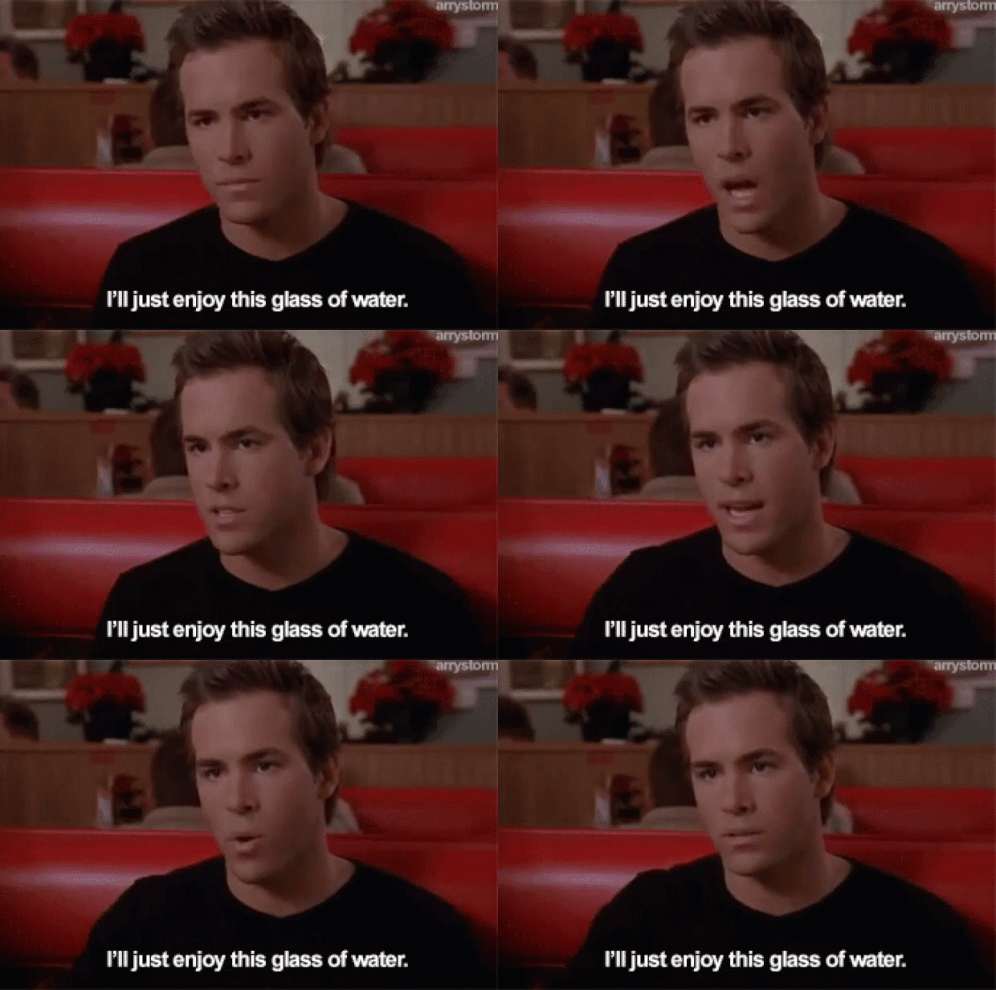
If your go-to dinner pairing is more mocktail than cocktail, you’re in good company. New data shows Americans are drinking less booze than ever before – and the shift is creating a real squeeze for restaurants, which have long-relied on alcohol for their biggest profit margins. According to The New York Times, 31% of restaurant operators reported "severe declines" in alcohol sales last year. "Preparing food requires perishable ingredients and a large amount of labor, while alcohol is shelf-stable and, except at the most dizzying heights of mixology, requires less work than cooking," reports the NYT. "As independent restaurants struggle with higher costs of all kinds — rent, labor, ingredients — the hollowing out of the most profitable part of the menu couldn’t come at a worse time."
$124 trillion – that’s the staggering amount expected to change hands in what’s being called "The Great Wealth Transfer." Of that, about $54 trillion will go to widowed spouses – and 95% of those recipients will be women. It’s a massive shift and a clear wake-up call for couples to get on the same financial page now, not later. "In many older households, the husband historically has handled most of the financial decisions," CFP Ryan Marshall, a partner and financial advisor at ELA Financial Group, tells CNBC. "It’s just more common that [older women] hadn’t been part of it. They’ve been taking care of everything else in the family." The takeaway? Don’t wait for a life event to get informed. Start with an honest convo about your finances, then consider bringing in a financial professional to map out what’s ahead, together.
This week on HerMoney.com, we’re tackling an all-too-common (and very real) question: What if I’m 50 and have basically nothing saved for retirement? As Rachel Carturo explains, it’s not too late – but it does mean getting strategic. She outlines four key areas to focus on, including looking beyond the usual 401(k) and IRA. That could mean exploring how HSAs or annuities could fit into your plan. "Annuities are tax-deferred investments offered by insurance companies. They’re often described as a personal pension, offering guaranteed monthly income when you need it," writes Carturo. "This stream of lifetime income, along with Social Security, can be enough to cover a good chunk of your costs in retirement."
Related:
• 3 Types Of Annuities To Secure Your Financial Future
• Top-Rated Annuity Providers
• What You Need To Know About Annuities
|
|
|
|
|
Things That Make You Money
|
| ● |
This savvy negotiator is being dubbed a "car dealer’s worst nightmare." Instead of buyers going back and forth at the dealership, they hand over the reins (and a flat $1,000 fee) to someone who knows how to work a deal. If you’ve got a knack for negotiating – whether it’s cars, salaries, or other big-ticket purchases – there might be real money in doing it for others. Consider us inspired!
|
| ● |
When it comes to dream jobs, Pizza Hut knows how to deliver. It’s hiring a "Hut Crust Connoisseur" to taste and review their new crusts, paying them $31,415.92 – and, natch, free pizza for a year. Here’s how to apply.
|
| ● |
Consider this your reminder that it’s never too late to chase your passion. This week, we’re taking you back to a motivating conversation with Emily Hikade, the founder of Petite Plume. She went from a career in the CIA to creating a luxury loungewear line adored by the Royal Family, Kourtney Kardashian and Gwyneth Paltrow…just to name a few. If you’ve ever dreamed of turning a bold idea into a brand, this one’s for you.
|
|
|
|
|
|
Ask Jean
|

|
| Q: |
Today’s question comes from Bea. She writes: "I need to buy a car – is new or used the best route?"
|
| A: |
A used car will usually save you money — at least upfront. Right now, the average used car sells for about $30,000, compared with nearly $50,000 for a new one. That price gap alone makes used vehicles appealing to many buyers. But the "best" choice really depends on how long you plan to keep the car and how comfortable you are with potential repairs.
As automotive educator and author Chaya Milchtein explains, the savings from buying used can vary widely by brand. "There are some vehicles, like Subaru, where purchasing a used car that’s two or three years old doesn’t provide as big a savings as with some other vehicles, like Volvo or other luxury brands, where that initial depreciation is significantly more," she recently told HerMoney.
To decide which route makes sense, ask yourself a few key questions:
• How much do you want to spend?
• How long do you plan to keep the car?
• Are you willing to deal with maintenance sooner rather than later?
If you plan to drive the car for many years, a new vehicle can sometimes make sense — you’ll get the full lifespan, the latest safety features, and a warranty. But if your goal is simply to spend less and avoid the steep depreciation that happens pretty much the moment you drive off the lot, used is often the smarter financial move.
👀🚗 You might also want to click…
• Insurance, But Cheaper: Smart Ways To Save On Home And Auto Insurance Premiums
• Should You Lease Or Buy A Car? Everything You Need To Know Before You Head To The Dealership
• Ask Jean: "What’s the difference between car insurance and a car warranty?"
|
|
|
Submit your questions to Jean here.
|
|
|
|
|
|
|
|
|
We maintain a strict editorial policy and a judgment-free zone for our community. We strive to remain transparent in everything we do. Website posts and newsletters may contain advertisements, links and mentions of products from our partners. Learn more about how we make money.
|
|
*This is a sponsored post
|
|