| Subscribe Read in Browser |
 |
| Stat Of The Day |
| 80% |
That New Year’s resolution to get fit may do more than just boost your step count – it could do the same for your bank account, too. 80% of Americans say investing in their health and wellness helps them make smarter money choices. |
|
|
|
| 🎉 Happy 2026 From Team HerMoney! |
As we step into a brand new year, we’d like to thank you for welcoming us into your inbox – and your financial life. We’re excited to keep showing up for you in 2026 with smart, practical guidance and honest conversations about money.
If this newsletter helps you feel a little more informed or empowered, consider passing it along to someone you care about. Your recommendation helps this community grow and keeps these important conversations going. Click here to share.
Thank you, always, for being part of the HerMoney family. Here’s to a smart, strong and financially savvy New Year ahead! |
|
|
|
| New Year’s Resolutions? You Actually Don’t Need ‘Em. |
January comes in hot with big resolutions and bold money goals…and by March (okay, maybe February?) many of them quietly fade.
If that sounds familiar, here’s the good news – lasting change doesn’t require a dramatic New Year reset. The real secret is taking realistic baby steps toward what you’d like to achieve.
Before you set any financial goals, take inventory. As one advisor puts it, it’s like stepping on the scale. You need to know where you’re starting to understand where you’re headed.
That means getting honest (and maybe even a little brutal) about your debt, spending and overall habits, as studies show we typically under-report our spending by an average of 20%.
For more on the steps to crushing your financial goals in 2026, head here. |
|
|
|
| This Week In Your Wallet |
 |
Money may be finite, but the joy you get from it doesn’t have to be. That’s why we’re spotlighting four ways to squeeze more happiness out of every dollar in the New Year. First up – choose experiences over stuff. The research is clear. We enjoy experiences longer than things. Clothes go out of style. Gadgets get upgraded. But memories are different. "They somehow get better with age, and for that reason, they’re often a better place to allocate your spending," writes HerMoney CEO Jean Chatzky. "For the record, there are some things that manifest as experiences: A painting that you look at every day, a chair that lets you lounge outdoors. Those can be solid ways to enjoy your money as well."
If getting fit is on your New Year's to-do list, here’s some good news – you can skip the pricey gym membership. These days, virtual workouts make it easy to sweat from anywhere. The only challenge? Picking the right one. We’ve rounded up standout virtual fitness programs to help you crush your health goals this year. One fan favorite: Nourish Move Love, a top pick from HerMoney readers offering free workout videos for everything from strength training to prenatal fitness. No commute, no contracts…just press play and get your sweat on.
Wage garnishments for defaulted student loans are coming back. Beginning the week of January 7, the Trump administration will start notifying borrowers that up to 15% of their after-tax pay could be withheld to cover past-due federal student loans – the first such move since the pandemic pause, as The Washington Post reports. About 1,000 borrowers will be notified initially, with more notices sent each month. Borrowers get 30 days’ notice and can avoid garnishment by requesting a hearing, paying the balance, or negotiating a repayment plan. |
|
|
|
| Things That Save You Money |
|
|
|
|
|
| Before Reviews Ruled The Internet, There Was Angie’s List |
|
|
| "Sometimes you have to eat your peas. No matter what you do in your career, there are things you don’t love to do, and you have to figure out how to do them," Angie Hicks, co-founder, Angi |
|
|
|
|
| It started as a simple, brilliant idea – a customer-curated list of trusted home repair pros, complete with reviews. They called it Angie’s List. |
|
|
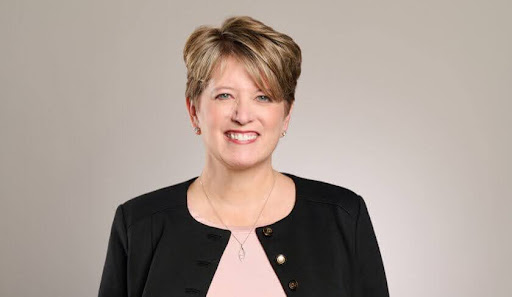
Founder Angie Hicks built what’s now Angi – a billion-dollar company – one signup at a time, long before online reviews were everywhere. What began in 1995 as a subscription newsletter has grown into a digital platform used by 150 million people and a growth engine for hundreds of thousands of small businesses.
Hicks recently shared her journey on the How She Does It podcast. It wasn’t an easy path at first. Hicks describes herself as an introvert, yet at the beginning, building the business required going door-to-door to sell memberships. It proved to be a challenging task.
"Sometimes you have to eat your peas," Hicks says about tackling those things on the to-do list that aren’t your favorites. "No matter what you do in your career, there are things you don’t love to do, and you have to figure out how to do them."
When asked what made her successful, Hicks points to one quality: perseverance. "It’s a work ethic that I got from my parents," she explains. Her father was a UPS driver, her mother a bank teller. "When you go to do your job, you do your job the best you can, and you’re committed to it." |
|
|
|
|
| Ask Jean |
 |
| Q: |
Today’s question comes from Veronica. She writes: What’s the purpose of an estate plan? Do I really need one? |
| A: |
When people hear the phrase "estate plan," they often picture yachts and mansions. In reality, estate planning is something everyone can benefit from – no trust fund required. Still, while 56% of Americans say estate planning is important, only about one-third have actually documented their wishes.
An estate plan dictates where you want your assets — think cars, houses, bank accounts, and retirement accounts — to go after your death. Of course, your estate planning documents should include a will, which dictates guardianship of children and property, but it should also include other considerations, such as who should make financial or medical decisions if you are unable to do so.
Without an estate plan, your loved ones may be left guessing at a stressful time, and your estate could end up in probate court – a process that can be costly, time-consuming and public. Having a plan in place keeps decisions in your hands and helps spare your family unnecessary confusion.
The bottom line? Estate planning isn’t about how much money you have. It’s about control and making things easier for the people you care about.
If you’re ready to take the next step, these resources make it easy to get started in just a few minutes, right from the comfort of your couch. |
|
| Submit your questions to Jean here. |
|
|
|
|
|
|
|
| We maintain a strict editorial policy and a judgment-free zone for our community. We strive to remain transparent in everything we do. Website posts and newsletters may contain advertisements, links and mentions of products from our partners. Learn more about how we make money. |
| *This is a sponsored post |
|