|
Subscribe
Read in Browser
|

|
|
|
|
|
|
🚨 Scam Alert 🚨
|
We’ve been made aware that some members of the HerMoney community have received emails from someone impersonating Jean Chatzky. The note – coming from jeanjeanchatzky@gmail.com and referencing copy trading – is not legitimate.
If it lands in your inbox, don’t engage, don’t click any links and delete it immediately. Stay safe out there.
|
|
|
|
|
Is A Recession Coming? The Economist Behind The Most Accurate Indicator In History Weighs In
|
Oil prices have surged. Ships were struck near the Strait of Hormuz and suddenly, the word "recession" is back in the headlines.
So what does it all mean for your money?
In this special bonus episode of the HerMoney Podcast, Jean Chatzky talks with economist Claudia Sahm – former Fed section chief and creator of the recession-predicting Sahm Rule – about why (and how) oil prices ripple through the entire economy, why she’s warning people not to rely on her own indicator right now and why she simply doesn’t "have a good feeling" about where things are headed.
🎧 LISTEN TO THE FULL EPISODE HERE 🎧
|
|
|
|
|
Things That Save You Time
|
|
|
|
|
|
|
Why You Keep Making The Same Money Mistakes (And How To Stop)
|
|
|
|
"We’re trying to control something we technically cannot, another person, an outcome that we aren’t in charge of…that’s when it becomes unhealthy," Kati Morton, LMFT and author, "Why Do I Keep Doing This?"
|
|
|
|
|
|
How many times have you promised yourself you’d stop overspending, stop covering for others financially, or stop avoiding that growing credit card balance – only to find yourself doing the exact same thing again?
|
|
|
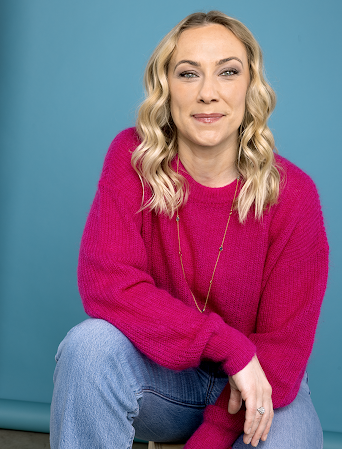
According to licensed marriage and family therapist Kati Morton, those habits aren’t really about money. They’re about control. On the HerMoney Podcast, Jean chats with Morton, author of "Why Do I Keep Doing This?" about the emotional patterns that quietly sabotage our finances, especially during high-stress periods like midlife, divorce, or retirement.
As Morton explains, "In therapy, we call it ‘locus of control.’ It’s essentially, what can we control? When we’re doing things that are moving us towards our goals that are aligned with our values, I would say that’s very healthy control."
The problem arises when we try to control what we can’t. "However, it becomes unhealthy when it’s external," explains Morton. "We’re trying to control something we technically cannot, another person, an outcome that we aren’t in charge of. When it’s outside of our locus of control…that’s when it becomes unhealthy."
Learn how to spot the difference between healthy and unhealthy control – and how you can finally break the cycle here.
|
|
|
|
|
|
|
|
|
|
This Week In Your Wallet
|

|
From Certified Financial Planners (CFPs) to investment advisors, there’s no shortage of people who can help you manage your money. But with titles like planner, manager, analyst, consultant, and coach floating around, figuring out who actually does what can feel a little confusing. This week, we’re breaking it all down. "Under the umbrella of ‘financial advisors' are about a dozen types, each with their own area of focus and required certifications," writes Dayana Yochim. "In general, they fall into two camps: Financial planners and investment advisors. If you need a blueprint to help tackle multiple saving, spending and investing goals, a financial planner can help you out. If you want to focus solely on your investments, an investment advisor is your ticket." Here are some of the advisor types you’re most likely
to run into – and what each can help with.
For some people, having AI help with taxes is a serious time saver – but it’s not exactly ready to replace your accountant. As The Wall Street Journal reports, some filers are turning to bots to speed things up – like one individual who used AI to determine the value of items she donated to a thrift store, and another who used it to estimate taxes due on a Roth IRA conversion. But the tech still has limits. For example, to volunteer with the AARP Tax-Aide program, you have to pass an IRS test in two tries. When Brian Segnit, a retired marketing manager for Xerox, uploaded the test into ChatGPT as an experiment, the chatbot failed. "I would not want AI to do even a simple return," says Segnit.
You want to save for retirement, but you also want to help pay for your kids’ college. Balancing those priorities isn’t easy and it can be tempting to tap your retirement accounts to cover tuition. But pulling money out early comes with trade-offs. Once it leaves your account, that money misses out on the time it could have spent growing in the market – and the compounding that comes with it. If you scale back contributions, you could also miss out on any employer match, which is essentially free money. "You may have heard before that 'there are no loans in retirement, but there are loans for college,' and we couldn’t agree with that advice more," writes Rebecca Jones for HerMoney.
🎓 If you’re building out your college funding game plan and have already exhausted federal loan options, private student loans can sometimes fill the gap. Here are a few reputable options we like.
|
|
|
|
|
Ask Jean
|

|
| Q: |
I have asked for a divorce and will be starting completely over at 50. I have been a stay-at-home mom for the last 10 years. Any positive suggestions?
|
| A: |
Yes. Take it from someone who got divorced at 40. There are ways to move forward — and positively. Think of this as your turn to take control, make choices that work for you and build the life you want. Here are a few steps to get started:
Check your housing: If you’re not planning to stay in the home you’ve shared, downsizing to something smaller will likely ease financial stress.
Boost your credit: Recently divorced women often find their credit score is lower than they expected, either because they managed debt poorly as a couple during their marriage or because they didn’t have credit in their own names. If you don’t have your own credit card, it’s time to apply for one. If you do, pay down any balances, and stay on top of bills by auto-paying. A strong credit score will help you rent, buy, or borrow at better rates.
Step back into the workforce: Even if you have child support or alimony coming your way, earning your own income is key to financial independence. Start networking, consider part-time gigs, or refresh your skills with online classes.
Protect yourself from the unexpected: If you don’t have one yet, build an emergency fund – aim for 3-6 months of expenses (bonus points if you put those funds in a HYSA). But don’t beat yourself up if it takes you a little time to get there while you’re also working on your other goals. Also, if your children are dependent on you for financial support, it’s a good idea to make sure you have enough life insurance to cover their future needs.
Update your estate plan: Review your will, healthcare proxy, power of attorney and account beneficiaries. Remove your ex-spouse where needed and designate new decision-makers.
I know how scary things can seem right now, but taking these steps will help you regain control, rebuild confidence and create a strong financial foundation for your fresh start.
|
|
|
Submit your questions to Jean here.
|
|
|
|
|
|
|
|
|
We maintain a strict editorial policy and a judgment-free zone for our community. We strive to remain transparent in everything we do. Website posts and newsletters may contain advertisements, links and mentions of products from our partners. Learn more about how we make money.
|
|
*This is a sponsored post
|
|